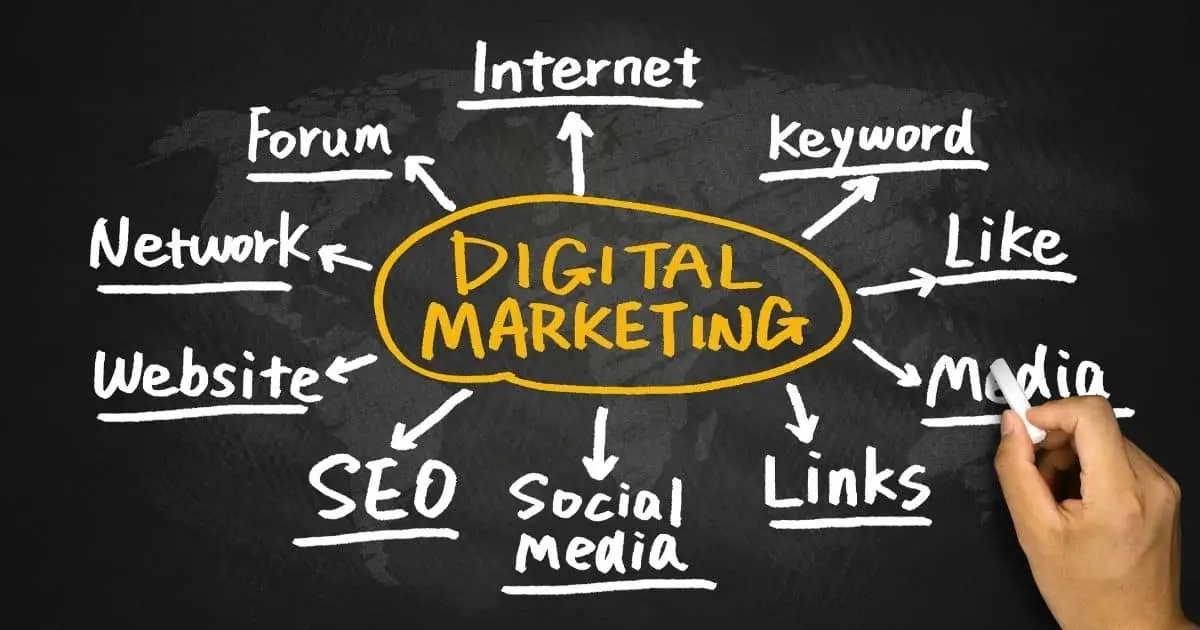
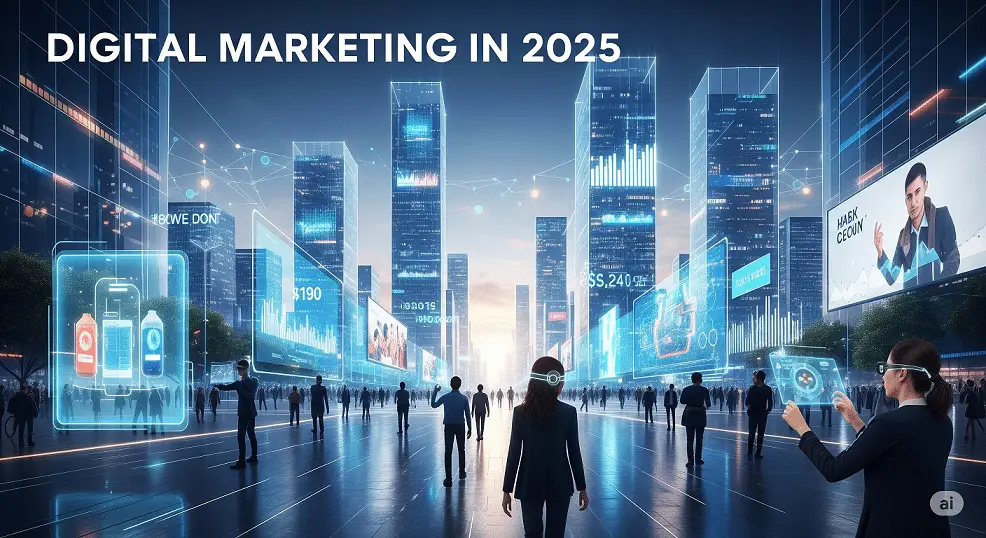
The world of digital marketing is constantly changing. What worked once - is no longer always appropriate today. In this guide we will present tools and up-to-date methods that will help businesses adapt to the new reality. With the advancement of technology and changes in consumer habits, businesses need to think differently and adopt new solutions to stay relevant and continue to grow. From the use of artificial intelligence to immersive interactive experiences, this guide is your map for success in the digital landscape. we are inAdwrks 365 We invite you to get to know the strategies that will help your business/brand connect, create engagement and thrive in 2025 and beyond.
Major trends in digital marketing

In 2025, you can see how digital marketing changes significantly. One of the most notable changes is the use of artificial intelligence (AI) in the world of marketing. Smart AI-based tools make it possible to analyze huge amounts of information, better understand customers, and create a personalized experience for them. Thanks to this, businesses can make more accurate decisions, optimize their marketing and achieve better results.
Another prominent trend is the introduction of technologies Virtual Reality (VR) and Augmented Reality (AR). These technologies are changing the way brands communicate with customers - through live and interactive experiences. For example, fashion stores can allow "virtual measurement" with the help of AR, while VR can be used to present products or events in a virtual space. This experience not only attracts attention, but also creates a stronger connection between the customer and the brand.
Another important trend is Omnichannel Marketing. Today, customers expect to receive a uniform experience - on the website, in the application, on social networks and also in the physical store. That's why businesses invest in creating clear and consistent messages across all channels, using customer data to personalize communications. This combination increases satisfaction and strengthens customer loyalty.
The importance of personalization in digital marketing

Personalization has become a cornerstone of strategies Digital Marketing Effectiveness. From 2025 onwards, the ability to deliver personalized content and experiences to each customer will be more important than ever. With the abundance of data and advanced analytics tools, marketers can gain deep insights into customer preferences, behaviors and purchase history. This information allows them to create personalized campaigns that directly target the target audience.
One of the main advantages of personalization is the ability to improve the Customer involvement. When customers receive content that is relevant to their needs, they are more likely to respond to it. For example, personalized emails get higher open and click-through rates compared to generic emails that are often perceived as spam. Similarly, personalized recommendations on e-commerce sites can increase conversion rate and average order amount. By providing tailored experiences, businesses can build stronger relationships with customers and maintain relationships with them over time.
In addition, personalization improves the The overall customer experience. The Internet is flooded with marketing messages, so personalized content is more prominent and attention-grabbing. Whether it is a targeted advertisement on social networks, a personalized landing page or a personal email - such content shows that the business understands and appreciates the customer. This level of customization can create a sense of exclusivity and make customers feel special, which encourages them to stay loyal to the business/brand and recommend it.
Use of artificial intelligence and automation

Artificial intelligence (AI) and automation are changing the way businesses approachDigital marketing. In 2025 and beyond, these technologies will play a key role in streamlining marketing processes, improving efficiency and achieving better results.
One of the most important applications of artificial intelligence in marketing is Predictive data analysis. By analyzing information from the past and identifying patterns, the AI knows how to predict future customer behaviors and trends. This allows marketers to make smart, data-driven decisions, and build more effective campaigns.
But it doesn't end there - today AI is also integrated into everyday marketing tasks. She helps in writing articles and content, creating graphic designs, generating ideas for campaigns and even managing ongoing communication with clients. This combination allows businesses to save time, improve the quality of work and get results at a higher level.
also automation Changes various aspects of digital marketing, from email marketing to social network management. For example, automated email campaigns can be sent based on specific actions, such as cart abandonment or purchase completion. This ensures that customers receive relevant messages at the right time, increasing the chance of conversion. Similarly, social media automation tools can schedule and publish posts, monitor engagement and analyze performance. By automating repetitive tasks, marketers can focus on more strategic actions and be more efficient.
Another benefit of AI and automation is the ability to deliver Real-time personalization. AI-based chatbots, for example, can provide immediate answers to customer questions and offer personalized recommendations based on their preferences. This level of responsiveness improves the customer experience and increases the likelihood of conversion. Additionally, AI algorithms can analyze customer data in real time and dynamically adjust marketing strategies to optimize performance. This agility is important in the rapidly changing digital landscape.
Best practices for content marketing in 2025

Content marketing remains an essential component of strategies Internet digital marketing Even in 2025, but the approach to creating and distributing content is changing. One of the recommended methods is to give priority toQuality over quantity. With the abundance of content available online, customers are becoming more selective about the content they consume. Therefore, businesses should focus on creating quality, valuable and relevant content that meets the needs and interests of their target audience.
Another important aspect of content marketing is Storytelling. Brands need to create engaging narratives that touch their audience on an emotional level. Storytelling helps make a brand more human and creates a deeper connection with customers. Whether it's through blog posts, videos, or social media content, authentic and relevant stories can capture audience attention and drive engagement. In addition, incorporating user-generated content (UGC) and customer testimonials can add credibility and authenticity to a brand's story.
also Content distribution Evolving with the rise of new channels and platforms. Businesses need to adopt a multi-channel approach to reach their audience effectively. This includes using social platforms, email marketing, podcasts and video sharing sites. Each channel has unique characteristics and its own audience, so it is important to adjust the content accordingly. In addition, optimizing content for search engines and voice search is essential to ensure maximum visibility. By adopting a strategic and diversified approach to content distribution, businesses can expand their reach and increase engagement.
The role of social media in modern marketing strategies

social media continues to be a powerful tool for digital marketing. With billions of users worldwide, platforms like Facebook, Instagram, TikTok and LinkedIn offer businesses unprecedented opportunities to connect with their audiences. One of the main functions of social media is brand awareness. By maintaining an active presence on social media, businesses can increase their visibility, improve their image and reach a wider audience. Consistently posting original and engaging content, using interactive features like polls and live video can help attract users' attention and build brand or business awareness.
Social media also plays a crucial role inCustomer engagement and relationship building. It provides a platform for businesses to communicate directly with their audience, answer questions and address concerns. This level of interaction builds trust and loyalty among customers. In addition, social media allows businesses to gather valuable feedback and insights from their audience. By monitoring comments, likes, shares and other engagement metrics, businesses can better understand their customers' preferences and adjust marketing strategies accordingly.
Another important aspect of social media marketing is Collaborations with influencers. Influencer marketing continues to be a powerful strategy for reaching and engaging with target audiences. Influencers have established credibility and loyal audiences in specific niches, making them valuable partners for brands. Collaboration with influencers can help businesses to be exposed to new audiences, improve brand image and increase conversions. However, it is important to choose influencers whose values match the brand and make sure the partnership is authentic and transparent.
SEO trends for 2025

SEO Remains a critical component in digital marketing strategies even in 2025 but with a little difference. As search engines continue to evolve, businesses need to keep up with the latest trends and methods to maintain their online visibility. One of the main trends in SEO is the growing importance of Voice search. With the growing popularity of voice-activated devices and virtual assistants, more users are conducting searches using natural language. As a result, businesses should optimize their content for voice search by focusing on conversational keywords and providing concise and relevant answers to common questions.
Another significant trend in SEO is the emphasis on user experience (UX). Search engines like Google give priority to websites that offer a smooth and engaging user experience. This includes factors such as page loading speed, compatibility with mobile devices and easy navigation. Businesses need to make sure their websites are optimized for all devices and provide a smooth browsing experience. In addition, a combination of rich media such as images, videos and interactive elements can improve the user experience and upgrade the ranking in search engines.
content Of course, SEO remains a critical component in 2025, but the emphasis shifts to creating comprehensive and authoritative content that meets users' needs. Search engines increasingly reward long and in-depth content that provides detailed information and answers many questions. In the last year, Google has started to display at the top of the search results "AI Reviews" (AI Overviews) - Answers based on artificial intelligence that summarize information from several sources. For your content to appear in these summaries, it must be reliable, clear and provide direct and comprehensive answers to common questions. Businesses should conduct thorough keyword research and create content that covers a wide range of related topics. In addition, incorporating structured data can help search engines understand the context and relevance of content. By creating quality, informative and well-structured content, businesses can improve their search rankings and attract organic traffic.
Email marketing - still works
Email marketing continues to be a powerful tool for increasing engagement and conversions in 2025. However, businesses need to adopt innovative strategies to stand out in crowded inboxes. One of the main strategies for email marketing is segmentation. By dividing the mailing list into smaller segments based on demographics, behavior or preferences, businesses can deliver more targeted and relevant content. Personalized emails that speak to the specific needs of each segment have higher open and click-through rates. In addition, segmentation allows businesses to tailor their messages and offer different offers to different customer groups, increasing the chances of conversion.
Another important strategy is automation. Automated email campaigns can be sent based on specific actions or events, such as a welcome email to new subscribers or cart abandonment reminders. Such an automated workflow ensures that customers receive relevant messages at the right time, improving their experience and increasing engagement. Furthermore, businesses can use automation to nurture leads and move them down the sales funnel. By sending a series of targeted and personalized emails, businesses can build relationships with potential customers and increase the likelihood of conversion.
To maximize the effectiveness of email marketing, businesses need to focus on creativity Fascinating and valuable content. This includes writing attention-grabbing subject lines, using attractive visual designs, and providing relevant and informative content. Interactive elements like surveys and quizzes can also increase engagement and encourage recipients to take action. In addition, businesses should regularly analyze email performance metrics, such as open and click-through rates. This data provides insights into what works and what doesn't, allowing businesses to optimize their campaigns for better results.
The impact of data privacy regulations on marketing

Data privacy regulations greatly affect Digital marketing strategies in 2025. With growing concern about data security and privacy, governments around the world are implementing stricter regulations to protect customer information. One of the main regulations is The GDPR in the European Union, which set a precedent for data privacy laws at a global level. in Israel, the latest and most significant installation is Amendment No. 13 to the Privacy Protection Law. This amendment sharpens the requirements for businesses and requires them to take stricter measures to protect personal information. Businesses must ensure compliance with these regulations to avoid heavy fines and reputational damage.
One of the significant consequences of the data privacy regulations is the need toTransparency and consent. Businesses must be transparent about how they collect, use and store customer data. This includes providing a clear and concise privacy policy and obtaining express consent from customers before collecting their data. In addition, businesses should offer customers the option to opt out at any time. By prioritizing transparency and consent, businesses can build trust with their customers and demonstrate their commitment to privacy.
Another effect is the need forStrong data security. Businesses must implement strict security protocols to protect customer data from breaches and unauthorized access. This includes encryption, secure storage and regular security audits. In addition, businesses should have a clear action plan in case of a data breach to minimize the potential damage.
Summary and look at the future of digital marketing
As we look ahead to 2025, the future of digital marketing is full of possibilities and challenges. Rapid advances in technology, along with changes in customer behavior, are reshaping the way businesses connect with their audiences. To stay relevant, businesses need to adopt innovative strategies and leverage the latest tools and technologies.
One of the key takeaways from this guide is the importance of customization. In an era where customers expect customized experiences, businesses must prioritize delivering relevant and personalized content. By using advanced data and analytics, businesses can gain valuable insights about their customers and create targeted campaigns that increase engagement and conversions.
Another aspect is a combination of Artificial intelligence and automation. These technologies optimize marketing processes and enable businesses to achieve better efficiency and performance. From predictive analytics to real-time personalization, AI and automation empower marketers to make data-driven decisions and optimize their campaigns.
role Content marketing remains essential, but the approach to creation and distribution is changing. Businesses should focus on creating quality, valuable and engaging content. In addition, adopting a multi-channel approach and optimizing content for search engines and voice search can help businesses expand their reach and increase engagement.
social media continues to be a powerful tool for brand awareness, customer engagement and influencer collaborations. By maintaining an active presence on social media, businesses can connect with their audience, gather valuable insights, and build strong relationships. In addition, keeping up with the latest SEO trends and prioritizing user experience can help businesses maintain their online visibility and attract organic traffic.
Email marketing remains an effective tool for increasing engagement and conversions. By using segmentation, automation and engaging content, businesses can deliver targeted and personalized messages that speak to their audience. In addition, maintaining compliance with data privacy regulations and prioritizing information security are critical to building trust and maintaining customer relationships.
In conclusion, the future of digital marketing in 2025 is dynamic and constantly changing. By adopting innovative strategies, utilizing advanced technologies and prioritizing customer-centric approaches, businesses can navigate the digital landscape and achieve long-term success. The key is to stay nimble, constantly updating and adapting to changing trends and customer behaviors. we Digital marketing agency –Adwrks 365 Here to help you succeed.