What is SEO and why is it important?
Website promotion (also known as organic promotion or SEO - Search Engine Optimization) is a process aimed at improving the ranking of your website in the search results of search engines, such as Google. The series of actions taken includes optimizing the pages on the site to ensure that your site appears higher in the search results for relevant keywords. In this way, the amount of views and visitors to the site can be increased.
Website promotion Includes two main types of strategies:
Organic promotion (SEO - Search Engine Optimization): Organic promotion focuses on improving your website's ranking in search engines in a natural and organic way, without direct payment. The goal is to ensure that your site appears high in search results for relevant keywords, leading to more organic traffic to your site.
To achieve this goal, SEO includes a variety of actions and areas:
Content optimization: Creating quality and interesting content that is adapted to the important keywords, while maintaining readability and high accessibility for readers and search engines.
Internal and external links: Building internal links within your site that help guide surfers and distribute authority between the site's pages, as well as creating external links from other sites that point to your site, which can improve its authority in the eyes of search engines.
Site speed: Improving site loading speed to provide a better user experience and prevent users from abandoning the site due to slow loading, which can affect your search engine rankings.
By correctly judging these elements, organic promotion allows your website to rise in the rankings in search results in a natural way and attract quality visitors without spending money on sponsored advertising.
Sponsored promotion (PPC - Pay Per Click): Paid advertising that leads to ads that appear at the top of the search results or on other sites, in exchange for payment for each click on the ad. Sponsored promotion not only brings immediate and quality traffic to your website, but can also indirectly contribute to your organic promotion.
Traffic that comes through PPC can help increase your site's exposure and bring in new visitors, which can improve the chances of your site being recognized as a relevant and prestigious resource. When more people visit your site and use it, it may improve user behavior and receive positive feedback from search engines, which is based on metrics such as time spent on the site and bounce rate, thus helping to improve the site's organic ranking.
How do search engines work?
Search engines operate using advanced algorithms that are based on a variety of parameters to determine the ranking of sites in the search results. These algorithms scan the sites and evaluate them according to various criteria, which help them understand which content is most relevant to the users' queries.
Among the main parameters that search engines examine:
Content quality: The search engines evaluate the level of content on the site, including the degree of knowledge and reliability of the information, the way it offers solutions to users' questions, and the level of writing and depth of the content. Quality, original and useful content tends to advance in the rankings.
Site loading speed: The loading speed of the site affects the user experience and can affect the ratings. Sites that load quickly provide a better browsing experience and tend to be called a more positive user experience by search engines.
The link structure: The search engines look at the internal links on the site, which guide the users between the pages of the site, and also external links that point to the site from other sources. Quality and supportive links can improve the site's authority and contribute to an increase in rankings.
accessibility to search engines: The search engines scan the site to make sure it is accessible and understandable. Site structure, use of appropriate titles, descriptions, and meta tags are some of the considerations that search engines take into account.
By optimizing the site according to these criteria, it is possible to help the search engines understand that your site is a high-quality and relevant source of answers to certain questions. By doing so, the site gets a higher chance of appearing in high positions in the search results, which leads to higher exposure and increases traffic to the site.
Types of web promotion
1. Organic promotion (SEO)
Organic promotion refers to methods designed to improve the site's ranking in the organic search results of search engines, without the need for direct payment. Here is more detail on the key elements of organic promotion:
Content optimization: This process includes writing and editing content in a way that will match relevant keywords and users' needs. The content should be of high value, deal with topics that interest the target audience, and be written in a clear and interesting way. Make sure that the content also includes appropriate titles, descriptions, and subtitles that will support a better understanding of the content.
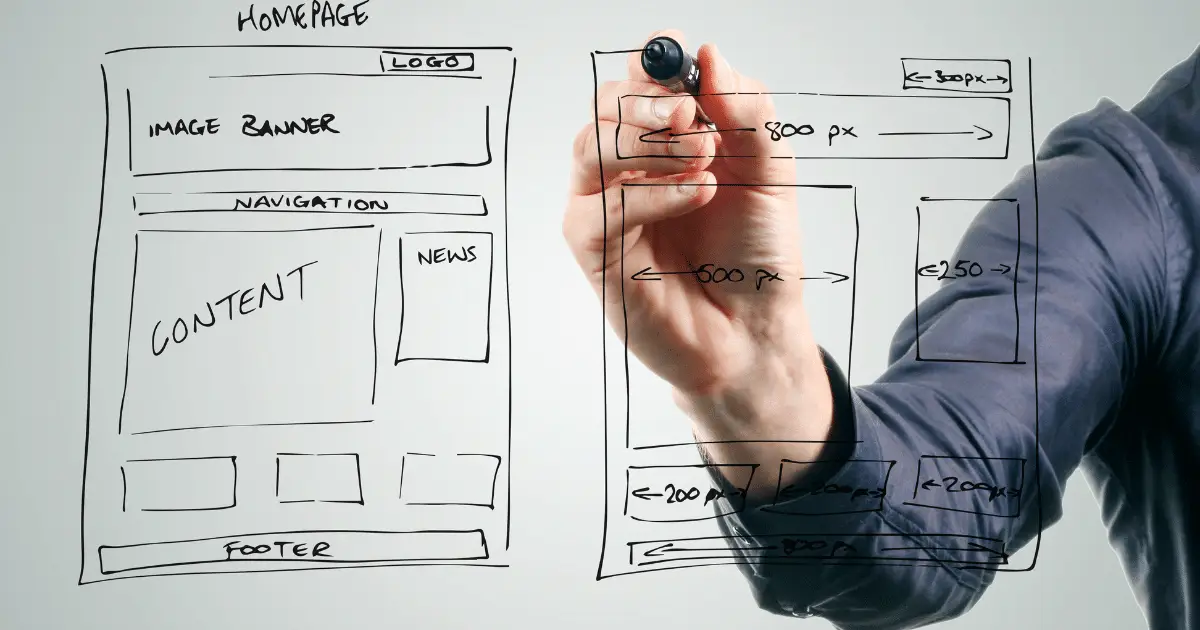
Improving the structure of the site: The website structure is important to make it easier for search engines and users to find the information easily. This includes using internal links that guide users between different pages on the site, creating comfortable navigation environments, and improving the site's loading speed, which affects the user experience and the site's ranking in search engines.
Building links (Backlinks): Links from other sites pointing to your site are considered a recommendation of the quality of your content. The more quality sites and links that point to your site, the more authoritative your site will be considered by search engines. This process includes methods such as creating shareable content, collaborating with bloggers or other content sites, and participating in professional communities.
Technical optimization: This is the process of improving the technical elements of the website to ensure that the code is clean, there are no problems with the understanding of the website by the crawling robots of the search engines, and that the user experience is optimal. This includes fixing broken links, improving page loading speed, and using new technologies like AMP (Accelerated Mobile Pages) to improve performance on mobile devices.
2. Paid Promotion (PPC)
Paid promotion refers to advertising that is funded directly by the advertiser and appears in ads in various locations on the internet. It is an effective tool to bring instant traffic to a website, and although it is costly, it can produce quick results. Here is an expansion on the types of paid promotion:
Advertising on Google (Google Ads): This is a tool that allows you to display ads at the top or bottom of Google search results. The ads are displayed according to keywords you choose, and you only pay when someone clicks on your ads. This is an excellent solution to bring immediate traffic to the site and target ads according to relevant searches.
Advertising in social networks: Platforms like Facebook, Instagram, and LinkedIn allow you to display ads to a specific target audience, with targeting options by age, interests, geographic location, and more. Advertising on social networks allows you to reach precise audiences and increase engagement and recognition with your brand.
Ads on the Google Display Network: These ads appear on various sites in the Google media network, beyond the search results. This is pay-per-click (PPC) or pay-per-view (CPM) advertising, and allows you to reach a wide audience and increase your exposure on other websites and services beyond Google.
In general, combining organic promotion with paid promotion can give your site a significant competitive advantage, both in terms of immediate traffic and long-term organic ranking.
SEO: Where to start?
1. Conduct keyword research
Keyword research It is one of the most important steps in website promotion, because it forms the basis of any successful strategy in this area. The main purpose of the research is to understand what terms and words your potential customers are searching for in the search engines, so that you can target your promotional efforts in the most effective way. Here's how to do thorough keyword research:
Use of dedicated tools: There are several professional tools that can help you discover relevant keywords and analyze the competition. tools like , and Provides data on search volume, level of competition and related keywords. Use these tools to find terms that match your site's topic and rank them by importance.
Competitor analysis: Research your competitors to understand what keywords they are targeting and what strategies they are using. Use tools like Ahrefs or SEMrush to analyze the content and links of competitor sites. Focusing on keywords that your competitors are focusing on can help you discover new opportunities and focus your strategy effectively.
Understanding your audience: To understand what content and words are of interest to your audience, it is important to talk to existing customers and professionals in your field. Questions such as "What are your main problems in our field?" or "What information are you looking for on the web?" can provide you with valuable insights. Additionally, use platforms like forums, Facebook groups, and social networks to understand what the hot topics and frequently asked questions of your target audience are.
Creating a list of keywords: Once you've discovered the important terms, create an ordered list of primary and secondary keywords. Prioritize the words according to relevance, search volume and competition. Use this list as a basis for developing your website content and planning your marketing campaigns.
Constant checking and updating: The digital search market changes frequently, so it's important to keep up with the changes and make regular updates to your keyword research. Conduct periodic reviews to ensure your content remains relevant and up-to-date with new market trends.
Additional steps for website promotion
2. Optimization of the content
Once you've done thorough keyword research, you're ready to move on to the next steps of your promotion strategy. With a clear understanding of the terms and phrases your audience is searching for, you can focus on targeting and taking the next step to upgrade your website.
Content optimization is a cardinal step in SEO, as quality content provides real value to visitors and helps search engines understand your site's topic. The next step includes optimizing the content on the website, improving the loading speed, building quality links and improving the user experience on the website.
To optimize your content, focus on producing quality and relevant content that provides useful and meaningful information to visitors. Make sure your content includes the right keywords and is written in a clear and engaging way. Improving site loading speed is essential to ensuring a good user experience, and building quality links from other sites can improve your credibility and ranking. Each of these steps is essential to the success of your promotion, and collaboration between them can yield significant results and maximize the benefit of your efforts.
Using keywords: The correct combination of keywords in the content is essential, but it is important to do it in a natural and organic way. Avoid inserting keywords artificially or repetitively (keyword stuffing), as this may harm the quality of the content and negatively affect your ranking in search engines. Use keywords in titles, descriptions, and body paragraphs, but in a way that promotes real readability and value.
Quality and original content: Offering content that not only promotes your site, but also provides real value to readers, is critical. Original and useful content can produce better results in SEO, as well as keep visitors on the site for a long time. Avoid copying content from other sites and be sure to add new insights and perspectives.
Using headers: Use headings neatly to make it easier for search engines to understand the structure of your content. Use H1 headings for the main heading, and H2 and H3 headings for sub-topics and sub-sub-topics. This not only helps search engines understand the content hierarchy, but also improves the readability of the content for users.
Write to read: Writing clearly and legibly has a direct impact on the user experience. Use short paragraphs, subheadings, and lists if possible to break the content into separate topics and make it easier for readers to understand the information quickly. Neat and clear writing also helps search engines understand the relationship between the different parts of the content.
3. Improving site speed
Website loading speed is a major factor in user experience and website ranking in search engines. Improving website speed includes several important steps:
Image compression: Heavy images can slow down site loading time. Use tools like TinyPNG or ImageOptim to compress images without losing quality. Images that are saved in the correct format and with an appropriate size will load faster and increase the site's performance.
Code reduction: Unnecessary codes can burden the site and cause slow loading. Delete unused codes and minify your HTML, CSS and JavaScript code. Tools like Minify can help reduce code and remove unnecessary spaces, which will improve site speed.
Use of caching: Caching technologies make it possible to save data saved in previous visits to speed up page loading. Use plugins like WP Super Cache or W3 Total Cache if you're using WordPress, or make sure you have server caching settings if your site is hosted on a separate server.
4. Building links
Backlinks are a key element in website promotion, as they indicate the authority and quality of your website. Quality link building includes:
Writing guest content (Guest Posts): Publish content on other sites in your field with a link back to your site. This not only provides you with backlinks, but also brings you additional exposure to a new audience. It is important to make sure that the content you publish is valuable and interesting for the readers of the guest site.
Collaborations: Connect with bloggers and professionals in your industry to exchange links or collaborations. Collaborations can also include joint publishing, interviews or guest posts, which provide value to both parties and bring quality links.
Content that can be shared: Creating content that invites sharing can bring in backlinks organically. Content that includes eye-catching graphics, unique information, or anything else that can interest readers and make them share it naturally provides you with backlinks.
5. Improving the user experience
Improving the user experience (UX) directly affects the behavior of visitors to your site and the ranking of the site. Here's how to improve the user experience on your website:
Responsive design: Make sure your website is accessible and looks good on any device, including smartphones and tablets. Responsive design ensures that the site will fit any screen and will allow a comfortable and professional browsing experience on any device.
Easy and clear navigation: The navigation on your site should be simple and clear. Menus, buttons and links should be accessible and user-friendly, so that visitors can find the information they are looking for easily and quickly.
Accessible content: Make sure the content on your website is accessible and easy to understand. Use short paragraphs, clear headings and attractive visuals to make it easy for readers to move between the different sections of the site and understand the information presented.
Website promotion with Adwrks 365
company is a professional digital marketing agency that offers a full 360° solution for business promotion, marketing and advertising needs. We help businesses develop and succeed in today's competitive world, with an emphasis on advanced technology and unique strategic thinking.
our advantage It is our ability to adapt customized solutions to each client, while combining advanced technologies and innovative approaches. We specialize in implementing SEO strategies that focus your website on search engines, improve its visibility and bring significant results.
Our team of experts Performs in-depth data analysis and applies techniques Digital marketing Advanced, including:
- Search Engine Optimization (SEO): Adjusting the content and structure of your site to improve search engine rankings and increase organic traffic to your site.
- Sponsored advertising on Google Sponsored campaigns that reach exactly your target audience and are optimized to improve results.
- Social Media Marketing: Create content that invites engagement and sharing to expand your social media reach.
- Website construction Custom website development with responsive design, easy navigation and quality content.
We work closely with our clients to create a customized strategy that meets their business needs and goals. with , you will receive a personal, professional and quality service, focused on achieving the best results for your business.
We will be happy to hear from you and provide you with the most advanced solutions for the growth of your business. Contact us With our team of experts on the phone today , and we will help you bring your business to marketing and advertising success.
Frequently asked questions
How long does SEO take?
Often several months. It varies with competition, site history, and content quality, and no one can promise a specific position.
Can I do SEO myself?
Yes, the basics — clear page titles, useful content, a fast mobile-friendly site — are achievable in-house. Competitive niches usually need ongoing expertise.
What should I fix first?
Make sure the site loads well on mobile, each service has its own page, and titles and headings reflect what people search for.